CCL Made A Bad Bill Better
A short presentation to the CCL-Las Vegas meeting on Saturday outlined CCL’s role in reducing the damage from the OBBBA. Downloadable copies of slides and printout here. Video is here. Here is the printout of…
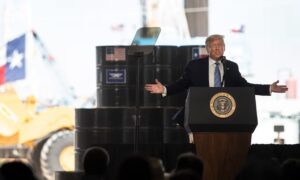
Donald Trump’s victory puts a skeptic of global warming back in the White House, triggering an about-face on climate policy that threatens to derail billions of dollars in clean-energy investment and slow a reduction in the nation’s emissions.
Investors dumped shares of renewable-power developers and bought oil-and-gas stocks in the days after the election. Trump has said he wants to repeal a 2022 Biden administration climate law that promised to channel several hundred billion dollars of tax incentives, loans and grants into the sector. The subsidies triggered a surge in manufacturing and jobs, most in Republican congressional districts. Trump also aims to rip up environmental regulations, which he says will unleash oil and gas production that is already at record levels.
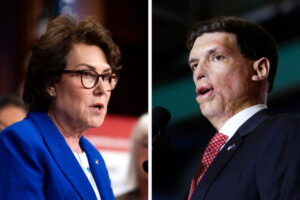
In November’s election, Nevadans will vote between two U.S. Senate candidates with vastly different climate and energy positions—particularly regarding solar energy, an issue that has even divided climate and environmental advocates in the state.
Incumbent Sen. Jacky Rosen, a Democrat and Nevada’s junior senator, has consistently backed legislation supporting the renewable energy transition and pro-climate policies, like the landmark Inflation Reduction Act, and has fought against tariffs on imported solar panels.
Key findings from a new report “Climate Change in the American Mind: Politics & Policy, Spring 2024” based on the latest national survey from Yale, conducted April 25 – May 4, 2024:
A majority of U.S. voters prefer to vote for a candidate who supports action on global warming.
Majorities of voters support building clean energy infrastructure in their local area.
A large majority of registered voters supports requiring publicly traded companies to disclose their climate impacts.
RepublicEN hosted a webinar on June 5th to introduce and interview the new chair of the House Conservative Climate Caucus, Dr. Mariannette Miller-Meeks (R-IA). She takes over from John Curtis, (R-UT), who is not running for re-election to the House because he is running for Senator in Utah.
Dr. Miller-Meeks was born in 1955. She enlisted in the United States Army at the age of 18 and served for 24 years, including as a nurse, physician, and …
Note: See transcript, AI summary and video of the interview,
Note: An impending vote in Morrow Bay will pit two goals against each other: rapid statewide transition to clean energy and local control of land use. See how this is unfolding in this Morro Bay case.
The swath of coastal land houses a power plant that shuttered a decade ago and its still standing smokestacks. Vistra Corp.’s proposal for a 600-megawatt battery storage project on a portion of the site includes remediating …
As Donald Trump sat with top oil executives at Mar-a-Lago last month, one executive complained about burdensome environmental regulations. Trump stunned several of the executives: “You all are wealthy enough,” he said, “that you should raise $1 billion to return me to the White House.” He vowed to reverse dozens of environmental rules and policies
President Biden has done more to address climate change than any of his predecessors. So far, voters don’t seem to care.
The Biden campaign and a collection of progressive groups are trying to change that. They believe the president’s record on climate change can boost his popularity with young voters.
Politicians are vowing to roll back green policies and downplaying climate change ahead of key elections on both sides of the Atlantic. In the US, former President Donald Trump, who has a long record of climate denial, is the frontrunner to challenge …
Another bipartisan success! The House approved a bipartisan bill, 365-36, aimed at bolstering the United States’ position in nuclear energy. The Atomic Energy Advancement Act is the U.S.’s first major nuclear energy policy update in over a generation. Like any major bill, there’s a ton going on in it, but at it’s core it addresses 1) Efficient and Predictable Licensing and 2) Advanced Nuclear Technologies.
Here is the summary page for February ACTION — the background information and email-tool you need to ask our MOCs to protect the climate-friendly funding earmarked for ranchers and farmers regarding conservation of their lands. Urge them to protect that funding from efforts to reallocate that money to general subsidies when the “Farm Bill” is re-authorized, probably this year.
Leaders of some of the world’s top climate institutions are ratcheting up pressure on the United States and China to forge an agreement on confronting global warming, fearing that the strained relations of these two superpowers could derail progress at international negotiations in Dubai.
With just two months left before the annual U.N. Climate Change Conference (COP28), leaders from the United Nations, the International Energy Agency and …